
Pediatric Tonsillectomy Surgery

Tonsillectomy and Adenoidectomy (Full and Intracapsular Tonsil Removal)
Tonsillectomy and adenoidectomy are among the most common pediatric surgeries performed to address issues like chronic infections, obstructive sleep apnea (OSA), and persistent snoring.
These procedures help restore regular breathing during sleep, reduce the frequency of throat infections, and improve overall quality of life.
Depending on the patient’s condition and risk factors, ENT specialists may recommend either an intracapsular (partial) or extracapsular (full) tonsillectomy, along with adenoid removal.
These surgeries are typically performed together under general anesthesia and are considered safe and effective.
Choosing the appropriate approach depends on the severity of symptoms, history of infections, recovery needs, and the preferences of the patient or their parents. Below, we outline both types of tonsillectomy and what each one involves.
What Problems Require Tonsillectomy and Adenoidectomy?
Tonsillectomy and adenoidectomy are recommended for patients who experience chronic or severe upper airway problems. These may include:
Obstructive Sleep Apnea (OSA)
Enlarged tonsils and adenoids can block the airway during sleep, causing breathing interruptions, snoring, restless sleep, or daytime behavioral changes.
Both intracapsular and extracapsular tonsillectomy have been proven to improve sleep quality in children with OSA.
Chronic or Recurrent Tonsillitis
Patients with repeated throat infections may benefit from complete tonsil removal.
Guidelines generally recommend tonsillectomy for:
- 7 or more infections in one year
- 5 or more infections per year for 2 consecutive years
- 3 or more infections per year for 3 consecutive years
Recurrent Ear Infections or Fluid
Adenoid enlargement can interfere with ear drainage, contributing to middle ear fluid or chronic ear infections, especially in children.
Persistent Snoring or Mouth Breathing
Large tonsils and adenoids often cause noisy breathing during sleep and may affect facial development in growing children. Surgical removal improves airflow through the nose and throat.
Difficulty Swallowing or Feeding
In some children, enlarged tonsils may interfere with eating, causing choking, gagging, or a restricted diet. Removing the obstructive tissue can restore normal feeding behavior.
How Does the Intracapsular Tonsillectomy and Adenoidectomy Procedure Work?
Intracapsular tonsillectomy, sometimes called partial tonsillectomy, tonsil shaving, or powered intracapsular tonsillectomy, removes most of the tonsil tissue (90–95%) while leaving the protective capsule intact. The adenoids are entirely removed.

Procedure Details
- Performed under general anesthesia.
- A microdebrider or coblation device is used to shave down the tonsils carefully.
- The tonsillar capsule remains to protect the underlying throat muscles.
- Adenoid tissue is entirely removed from the nasopharynx using suction or coblation.
- The procedure takes 15–20 minutes.
Recovery time is typically 5 to 10 days.
Who Should Consider Intracapsular Tonsillectomy?
This method is ideal for patients who need symptom relief but prefer a faster recovery and lower complication risk.
Candidates may include:
- Children ages 1–18 with OSA, loud snoring, or frequent infections
- Patients requiring a quicker return to school or activities
- Families concerned about post-operative pain or bleeding
- Those wanting to preserve some tonsil function

Benefits of Intracapsular Tonsillectomy
- Lower Complication Risk: Reduced bleeding (2–1.5%) vs. 3–5% in full tonsillectomy
- Faster Recovery: Typically 5–7 days compared to up to 2 weeks
- Less Post-Op Pain: Capsule preservation reduces the exposure of the throat muscles
- Preserves Immune Function: Retains some tonsil tissue for immune activity
- Effective Results: Resolves snoring, OSA symptoms, and reduces infections
- Outpatient Procedure: Most patients return home the same day
Challenges or Risks of Intracapsular Tonsillectomy
- Tonsil Regrowth: Occurs in 1–3% of cases, may require reoperation
- Not Ideal for Chronic Tonsillitis: Complete removal may be better for recurring infections
- Adenoid Regrowth: Rare, but possible in younger children
- Anesthesia Risks: Always a factor with pediatric surgery
- Limited Availability: Requires specific equipment not present in all clinics
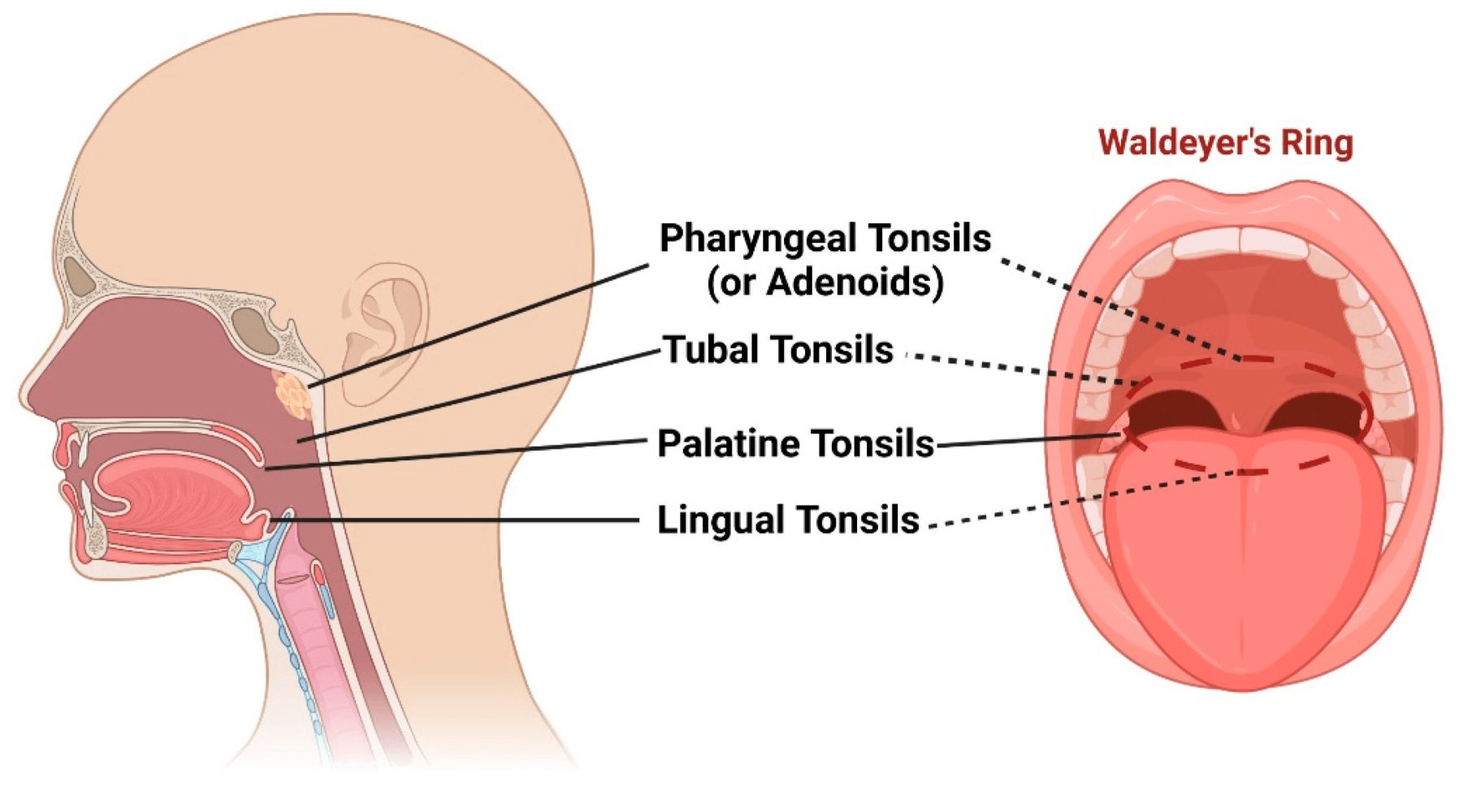
How Does Full Tonsillectomy and Adenoidectomy Work?
Full tonsillectomy, also known as extracapsular tonsillectomy, involves removing 100% of the tonsil tissue, including the capsule, along with adenoid removal.
This is the traditional method and remains the best choice for certain patients with severe infections or significant airway obstruction.
Procedure Details
- Performed under general anesthesia.
- The entire tonsil is removed using electrocautery, cold knife, or coblation.
- Adenoids are removed using a curette, microdebrider, or coblation device.
- The procedure takes 30 to 50 minutes.
Recovery usually requires 10 to 14 days.
Who Should Consider Full Tonsillectomy?
Patients with more severe or chronic conditions may be better candidates for full removal.
This includes:
- Children with frequent, severe throat infections
- Patients with chronic tonsillitis that affects their quality of life
- Individuals with severe OSA or airway obstruction
- Patients unconcerned about removing all tonsil tissue
- Families wanting definitive treatment to avoid future surgeries

Benefits of Full Tonsillectomy and Adenoidectomy
- Complete Removal: Eliminates any risk of tonsil regrowth
- Definitive for Chronic Infections: Especially in cases of repeated tonsillitis
- Effective for Severe OSA: Fully opens the airway
- Outpatient Surgery: Most patients return home the same day
- Widely Available: Uses standard tools and techniques available in most facilities
- Improved Symptoms: Reduces snoring, infections, and airway obstruction
Challenges or Risks of Full Tonsillectomy
- Higher Bleeding Risk: 3–5% nationally (MPENTA’s rate is lower)
- Longer Recovery: 10–14 days, often with more discomfort
- Post-Op Pain: Exposed throat muscles can be sore for several days
- Loss of Tonsil Immune Function: Full removal means no residual tonsil tissue
- Adenoid Regrowth: Rare but possible
- Anesthesia Risks: Minimal, but present

Is Tonsillectomy and Adenoidectomy Right for Your Child?
Choosing between intracapsular and full tonsillectomy depends on your child’s symptoms, infection history, and your family’s preferences.
Both procedures are safe, effective, and supported by clinical guidelines. Intracapsular removal offers faster healing and less discomfort, while full removal is ideal for more severe infections or when definitive treatment is needed.
At MPENTA, our experienced pediatric ENT specialists evaluate each child’s condition individually to recommend the most appropriate surgical approach.
We focus on safe outcomes, clear communication, and compassionate care for every family.
Frequently Asked Questions
1. How do I know which type of tonsillectomy is right for my child?
Your ENT specialist will assess your child’s medical history, sleep symptoms, and infection patterns to recommend either intracapsular or full tonsillectomy.
2. Will my child need another surgery after intracapsular tonsillectomy?
In rare cases (1–3%), tonsil tissue may regrow and require additional surgery, but this is uncommon.
3. How painful is tonsil surgery recovery?
Intracapsular surgery generally has less pain and a shorter recovery. Full tonsillectomy may cause more discomfort, especially in the first week.
4. Can adults have these procedures too?
Yes. While more common in children, tonsillectomy and adenoidectomy may also be appropriate for adults with chronic infections or sleep apnea.
Helping You Breathe, Sleep, and Thrive
Tonsillectomy and adenoidectomy can offer significant relief for children and adults struggling with chronic infections, breathing difficulties, or sleep-related issues.
Whether performed as a complete (traditional) or partial (intracapsular) procedure, this surgery is designed to improve long-term health, comfort, and quality of life.
At MPENTA, we prioritise patient safety, precision, and evidence-based care—every step of the way.
If you or your child is experiencing symptoms that may be related to enlarged tonsils or adenoids, our experienced ENT specialists are here to guide you through your options.
From initial consultation to post-operative care, we ensure a smooth, supportive experience tailored to your individual needs.
Are you prepared to take the next step?
Explore more about the common problems we treat and surgeries we perform, or contact us to request an appointment.
Disclaimer
The information provided on this page is for educational and informational purposes only and is not intended as medical advice. It should not be used to diagnose or treat any medical condition. Always consult a qualified healthcare provider or ENT specialist regarding any questions you may have about a medical condition, symptoms, or treatment options. Decisions about surgery should be made in consultation with your healthcare team based on your specific health needs.
